
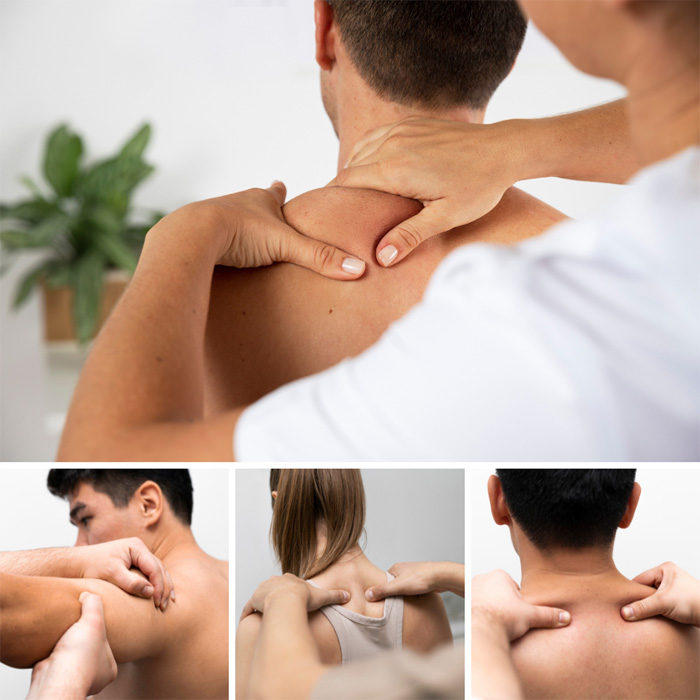
Traditional Varma Therapy
Varma therapy (varmam / marmani / marmapuncture traditions) is a traditional South-Asian manual therapy that targets specific vital points (varmam or marma points) believed to influence musculoskeletal, neurological and subtle energy systems. Practice today ranges from classical lineage-based approaches to integrative physiotherapy settings.Core principles
- Varmam points: mapped anatomical/tactile points that may influence nerves, muscles, fascia and circulation.
- Palpation & assessment: detailed palpation, history and functional assessment guide point selection and technique intensity.
- Manual techniques: soft pressure, rhythmic mobilisation, tapping, sustained hold, traction, or gentle mobilising strokes applied at selected points.
- Individualisation: treatment is tailored to the person’s presentation, constitution, and tolerance.
Typical session structure
1. Intake & consent
Brief history, activity limitations, medications and informed consent. Explain expected sensations and possible transient effects (tenderness, warmth).
2. Targeted assessment
Palpation of varma points, functional tests, neurological screen and range-of-motion check to select safe points and technique intensity.
3. Treatment delivery
Apply gentle pressure, mobilising strokes, tapping, or sustained holds to selected points. Work in short blocks (1–5 minutes per point) and reassess frequently. Monitor comfort and autonomic responses.
4. Integration & active rehab
Combine varma techniques with movement re-education, posture correction, breathing work or simple functional exercises to re-establish safe movement patterns.
5. Aftercare & follow-up
Provide aftercare advice (rest, hydration, gentle movement), document changes, and plan next visit if needed. Escalate if adverse signs appear.